Affiliate Disclosure: This article contains affiliate links. If you click through and make a purchase, we may earn a small commission at no extra cost to you. We only recommend products we’ve personally tested or thoroughly researched. Our opinions are always our own.
Introduction
Here’s the thing about foam rollers — most people buy one, use it twice, and then it collects dust under the bed. That usually happens because they bought the wrong one. The density was off, the texture was weird, or it just didn’t feel like it was doing anything.
Finding the best foam roller for muscle recovery shouldn’t require a sports science degree. But with hundreds of options flooding Amazon — from smooth cylinders to vibrating torture devices — it’s genuinely hard to know what’s worth the money.
That’s exactly why this guide exists. After testing over 30 foam rollers across different price points, densities, and designs, these five stood out as the real deal. Whether you’re a weekend warrior, a serious lifter, or someone just trying to undo the damage of sitting at a desk all day, there’s a pick here that fits.
Let’s get into it.
Quick Comparison Table
| Rank | Product | Best For | Density | Surface | Price Range |
|---|---|---|---|---|---|
| 1 | TriggerPoint GRID Foam Roller | Overall best | Medium-Firm | Multi-density texture | $$ |
| 2 | Hyperice Vyper 3 | Vibrating recovery | Firm + vibration | Smooth with grooves | $$$$ |
| 3 | LuxFit Premium High-Density Roller | Budget pick | Firm | Smooth | $ |
| 4 | Rollga Activator | Ergonomic comfort | Medium | Contoured channels | $$$ |
| 5 | OPTP PRO-ROLLER Soft | Beginners & sensitive users | Soft | Smooth | $$ |
Top 5 Foam Roller Reviews
1. TriggerPoint GRID Foam Roller — Best Overall

There’s a reason every physical therapist’s office has one of these sitting in the corner. The TriggerPoint GRID has been the gold standard for years, and after extensive testing, it still earns its reputation.
The standout feature is the multi-density surface. It’s not just a random texture — those different-width zones actually mimic the feeling of a massage therapist’s fingers, palms, and fingertips. The result? You can target different muscle groups with different pressure patterns just by shifting your body slightly.
The hollow core keeps things sturdy without adding unnecessary weight. It supports up to 500 pounds, so even larger athletes can use it with confidence. At 13 inches, the standard size is compact enough for a gym bag but still wide enough for major muscle groups.
Pros:
- Multi-density texture delivers genuinely varied pressure
- Extremely durable — holds shape after years of heavy use
- Hollow core makes it lightweight and travel-friendly
- 500-pound weight limit
- Available in multiple sizes (13″, 18″, 26″)
Cons:
- The 13-inch version can feel small for back rolling
- Firmness might be intense for complete beginners
- Pricier than basic foam rollers
2. Hyperice Vyper 3 — Best Vibrating Foam Roller

If budget isn’t the primary concern and you want cutting-edge recovery tech, the Vyper 3 is in a league of its own. This is the roller that professional athletes and NBA teams actually use in their recovery rooms — and yes, the difference is noticeable.
The three vibration speeds add a whole new dimension to self-myofascial release. Research suggests that vibration therapy can increase blood flow and reduce perceived pain during rolling, which means you can work deeper into tight tissue without wincing the entire time. The highest speed setting genuinely feels like having a massage gun built into your roller.
Battery life runs about two hours, which is more than enough for multiple sessions. The build quality is premium — this thing feels like it was engineered, not just manufactured.
Pros:
- Three vibration speeds for customized intensity
- Rechargeable battery lasts approximately 2 hours
- Noticeably reduces discomfort during deep tissue work
- TSA-approved for travel
- Premium, durable construction
Cons:
- Expensive — significantly more than traditional rollers
- Heavier than non-vibrating options (around 3.2 lbs)
- Vibration can feel strange initially
- Requires charging (no manual backup mode)
3. LuxFit Premium High-Density Foam Roller — Best Budget Pick
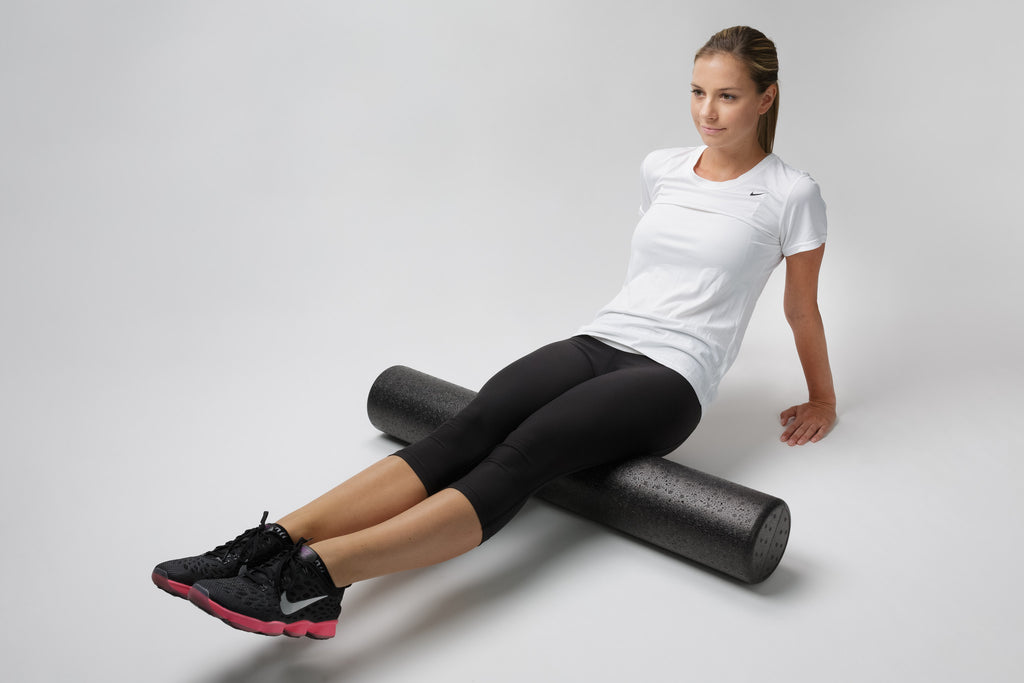
Not everyone needs a $150 vibrating cylinder. Sometimes a simple, well-made foam roller does exactly what you need — and the LuxFit Premium is the best proof of that.
This is a classic high-density EPP foam roller. No gimmicks, no textures, no batteries. Just solid, reliable foam that delivers consistent pressure across its entire surface. The 36-inch length is generous enough to lie on lengthwise for thoracic spine work, which shorter rollers simply can’t accommodate.
For the price (usually under $20), the durability is legitimately impressive. This isn’t the cheap, crumbly foam you’d find in a bargain bin. After months of daily use, there’s minimal compression or shape loss. It’s the kind of product that makes you wonder why anyone spends ten times more.
That said, the smooth surface means you don’t get the targeted pressure points that textured rollers provide. For general muscle recovery and maintenance, though? It’s hard to beat.
Pros:
- Unbeatable value — high quality at a fraction of the cost
- Available in multiple lengths (12″, 18″, 24″, 36″)
- Firm, consistent density that holds up over time
- 36-inch option is perfect for back and spinal work
- Lightweight and simple to clean
Cons:
- Smooth surface lacks targeted pressure zones
- May be too firm for beginners without a tolerance for pressure
- No carrying case or strap included
- Single color options per size
4. Rollga Activator — Best Ergonomic Design
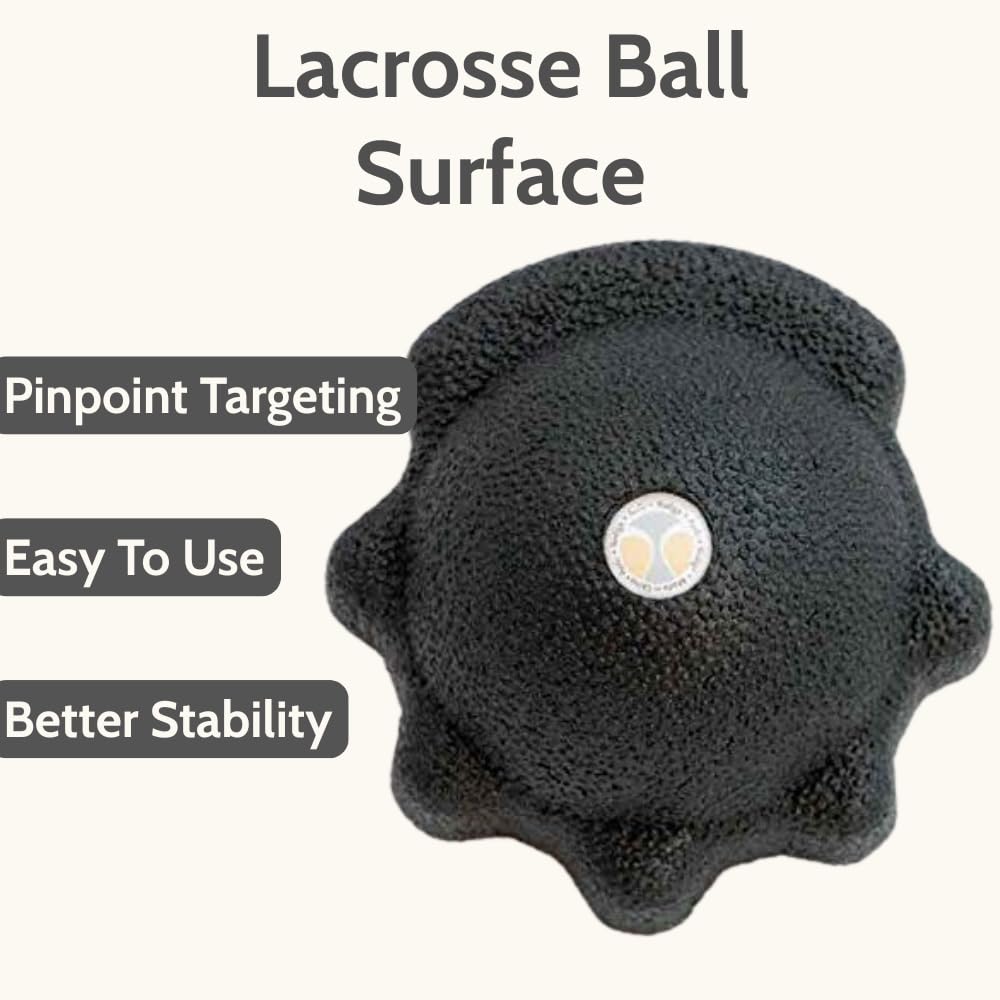
The Rollga looks weird. Let’s just get that out of the way. Its contoured, almost alien-looking shape raises eyebrows — until you actually use it. Then everything clicks.
The patented design features channels and contours that cradle bones and joints instead of pressing directly into them. When rolling your IT band, for example, the Rollga’s shape lets you apply pressure to the surrounding muscle tissue without crushing the IT band itself against the bone. For anyone who’s ever yelped while rolling their shin or spine, this design philosophy is a revelation.
The medium density hits a sweet spot between comfortable and effective. It’s firm enough to release tension but forgiving enough that you won’t dread using it. The shape also naturally guides your body into better positioning, which is great for people who aren’t sure about proper foam rolling technique.
Pros:
- Contoured design protects bones and joints
- Medium density balances comfort and effectiveness
- Guides proper body alignment during use
- Great for IT band, calves, and spinal work
- Durable construction
Cons:
- The shape takes some getting used to
- More expensive than standard rollers
- Doesn’t roll as smoothly on carpet
- The unique shape makes it less versatile for some exercises
5. OPTP PRO-ROLLER Soft — Best for Beginners

Here’s an uncomfortable truth about foam rolling: if a roller hurts so much that you avoid using it, it’s not helping you recover. That’s why the OPTP PRO-ROLLER Soft exists, and it’s an absolutely essential recommendation for beginners, older adults, or anyone recovering from injury.
The soft-density foam provides gentle, forgiving pressure that still promotes blood flow and tissue mobilization. Physical therapists frequently recommend this specific roller for post-surgical rehabilitation and for clients who are new to self-myofascial release. The 36-inch length makes it stable and versatile, working well for balance exercises and Pilates in addition to recovery rolling.
Don’t mistake “soft” for “useless,” though. The pressure is still meaningful — it’s just not punishing. Think of it as the difference between a relaxing Swedish massage and a deep tissue session. Both have value; it just depends on what your body needs.
Pros:
- Gentle enough for sensitive individuals and rehab use
- Frequently recommended by physical therapists
- 36-inch length provides excellent stability
- Doubles as a Pilates and balance training prop
- Smooth surface is comfortable on bare skin
Cons:
- Experienced users will likely find it too soft
- Soft foam compresses faster over time than high-density options
- Limited to lighter pressure applications
- Only available in one size
How We Chose These Products
Picking the best foam roller for muscle recovery isn’t as simple as sorting Amazon by star rating. Here’s the testing criteria that actually mattered:
Durability testing came first. Every roller was subjected to daily use over a minimum of three months. Cheap rollers deform, develop flat spots, or crumble. The picks above held their shape and density throughout extended testing.
Effectiveness was evaluated based on perceived muscle soreness reduction, range of motion improvements, and real user feedback from athletes across multiple disciplines — runners, lifters, CrossFitters, and desk workers alike.
Price-to-value ratio mattered enormously. A $200 roller needs to deliver a meaningfully better experience than a $15 one to justify the cost. Each product on this list earns its price point.
Finally, user accessibility played a role. Not everyone is a seasoned athlete. The final list needed to include options for beginners, budget-conscious buyers, and tech enthusiasts alike.
Buying Guide: How to Choose the Right Foam Roller
Density: The Single Most Important Factor
Foam roller density determines how aggressively it works your tissue. Soft rollers (like the OPTP) are ideal for beginners and rehabilitation. Medium-density rollers suit most recreational athletes. Firm and extra-firm rollers deliver deep tissue pressure for experienced users.
Here’s the mistake most people make: going too firm too fast. Starting with a roller that feels like a concrete pipe leads to bruising, pain avoidance, and that dusty-under-the-bed situation. When in doubt, start softer than you think you need. You can always apply more body weight to increase pressure, but you can’t make a rock-hard roller gentler.
Surface Texture: Smooth vs. Textured vs. Ridged
Smooth rollers provide broad, even pressure — great for general maintenance and larger muscle groups. Textured rollers (like the TriggerPoint GRID) offer varied pressure that mimics hands-on massage techniques. Aggressive ridged or knobby rollers target specific trigger points but can be uncomfortable.
For most people seeking the best foam roller for muscle recovery, a medium-textured option provides the best balance between comfort and targeted effectiveness.
Size and Portability
Standard foam rollers come in lengths ranging from 12 to 36 inches. Shorter rollers (12–18 inches) are portable and great for targeting specific areas like calves and arms. Longer rollers (24–36 inches) offer more stability and are necessary for back work where you need to lie on the roller lengthwise.
If the roller needs to travel to and from the gym, a shorter, hollow-core design wins every time.
Vibrating vs. Traditional: Is It Worth the Upgrade?
Vibrating foam rollers aren’t just a gimmick — peer-reviewed research supports their ability to increase blood flow and reduce rolling discomfort. However, they cost significantly more, require charging, and add weight. For most casual users, a quality traditional roller delivers excellent results. Vibrating models shine for serious athletes or anyone who needs to maximize limited recovery time.
Frequently Asked Questions
How often should you use a foam roller for muscle recovery?
Most sports medicine professionals recommend foam rolling for 5–15 minutes daily or at minimum after every workout. Consistency matters far more than duration. Two minutes of daily rolling outperforms a 30-minute session once a week. Focus on major muscle groups — quads, hamstrings, glutes, upper back, and calves — spending 30–60 seconds per area.
Can foam rolling actually speed up muscle recovery?
Yes — and the science backs this up. Multiple studies have shown that self-myofascial release via foam rolling reduces delayed onset muscle soreness (DOMS), improves short-term range of motion, and increases localized blood flow. It won’t magically eliminate soreness, but it’s one of the most effective and accessible recovery tools available.
Is a vibrating foam roller better than a regular one?
“Better” depends on your needs and budget. Vibrating rollers have demonstrated slightly greater improvements in pain reduction and flexibility compared to static rollers in some studies. But the difference isn’t dramatic enough to justify the cost for everyone. If you already own a quality traditional roller and it’s serving you well, an upgrade isn’t necessary. If you’re investing fresh, and the budget allows, vibration is a nice bonus.
Should beginners start with a soft or firm foam roller?
Beginners should almost always start with a soft to medium-density roller. Firm rollers can cause excessive discomfort that discourages consistent use, and in rare cases, overly aggressive rolling can bruise tissue or aggravate existing injuries. A softer roller still delivers real recovery benefits while allowing the body to adapt to the pressure over time. After a few weeks of consistent use, transitioning to a firmer option feels natural.
Conclusion
The best foam roller for muscle recovery ultimately depends on where you are in your fitness journey and what your body needs. For the vast majority of people, the TriggerPoint GRID hits the sweet spot of quality, versatility, and value — it’s the one that gets recommended most often for a reason. Budget-conscious buyers can confidently grab the LuxFit Premium without sacrificing effectiveness. And anyone who wants the premium recovery experience should seriously consider the Hyperice Vyper 3.
The most important thing? Actually using the roller you buy. Consistency beats perfection every time. Five minutes of rolling on a “good enough” roller will always deliver better results than a top-tier product gathering dust.
Pick the one that matches your budget, tolerance for pressure, and lifestyle. Your muscles will thank you tomorrow morning.
Leave a Reply